Knocked Out Tooth Care From an Emergency Dentist
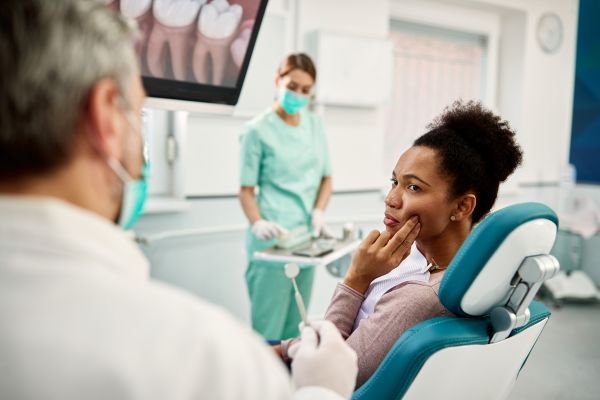
An emergency dentist can provide urgent care when a tooth is knocked out during sports, a fall, or another sudden accident. However, to increase the chances of saving the tooth, patients and dentists must act quickly. Knowing what to do before arriving at the dental office can help protect the root surface and improve the chances of successful treatment.
Steps to take before seeing the emergency dentist
When a permanent tooth is knocked out, pick it up by the crown, which is the chewing surface, not the root. Touching the root can damage delicate cells that help the tooth reattach. If the tooth looks dirty, rinse it gently with clean lukewarm water for a few seconds. Do not rub, scrub, dry, or wrap it in tissue.
If possible, place the tooth back into the socket and bite down softly on clean gauze to hold it in place. If that is not possible, keep the tooth moist in a cup of milk or, if available, a tooth-preservation solution. Some people may also hold it inside the cheek if they are old enough to do so safely without swallowing it. Then, immediately contact an emergency dentist for instructions and treatment. Keep in mind that if the patient suffered a blow to the head and was knocked unconscious for some time, or they are excessively bleeding from the head, nose, or ears, it is important to contact 911 or go to the hospital immediately before calling an emergency dentist.
Why speed matters for saving a knocked-out tooth
A knocked-out tooth is a dental emergency because the tissue around the root dries out quickly. In many cases, the sooner an emergency dentist sees the patient, the better the chance of saving the tooth. Waiting too long, such as multiple days, makes it nearly impossible to replace the tooth in the socket or keep it stable over time.
The dentist will also check for other problems that can happen with this type of injury. These may include a chipped nearby tooth, jaw soreness, cuts to the lips or gums, or damage below the gumline that is not easy to see at home. X-rays often help the emergency dentist examine the area and decide on the next steps.
Types of treatment from an emergency dentist
Treatment depends on the patient's age, the condition of the tooth, and how long the tooth has been out of the mouth. If the dentist can place the tooth back into the socket, they may stabilize it with a small splint, a device that holds the tooth in place while the area heals. Follow-up visits help the emergency dentist monitor healing and look for signs of infection or root damage.
In children, the knocked-out tooth may be a baby tooth rather than a permanent one. In that case, the dentist will usually not replace it in the mouth because doing so could affect the developing adult tooth beneath. Instead, the dental team will place a space maintainer and focus care on comfort, healing, and protecting the space as the mouth continues to grow.
Get help without delay
A knocked-out tooth can feel overwhelming, but fast care can make a major difference. Prompt treatment can improve comfort, protect surrounding teeth, and support better healing after the injury. For more information or to schedule an appointment, call our office.
To schedule a consultation, please request an appointment on our website at https://lightwayfamilydentistry.com or call Lightway Family Dentistry at (864) 306-4488 to arrange an appointment at our Easley office.
Check out what others are saying about our dental services on Yelp: Emergency Dentist in Easley, SC.
Related Posts
Losing a tooth can be disconcerting. Thankfully, there are multiple dental restoration options to replace the missing tooth and restore dental functions. Read on to learn about available options. The choice ultimately boils down to the patient's oral condition and preferences. A dentist will recommend the proper treatment following a dental evaluation.The following are common…
Teeth whitening has become one of the most popular cosmetic dental treatments, and many patients choose at-home options because they offer convenience without sacrificing professional oversight. Unlike over-the-counter products, professionally provided whitening systems combine customized treatment with predictable results. A dentist often recommends the right whitening approach based on each patient's goals, oral health, and…
Experiencing a chipped tooth often causes sudden stress, but a quick treatment like dental bonding is a seamless way to repair the enamel instantly. This simple process rebuilds the lost structure without requiring extensive drilling or alteration. To learn if this option is right for your compromised tooth, schedule a consultation at our Easley office.Even…
Persistent jaw discomfort often relates to the temporomandibular joint (TMJ), the hinge-like joint that connects the lower jaw to the skull. This vital joint facilitates the thousands of movements required for daily tasks such as eating, speaking, and yawning. When dysfunction occurs, the muscles and ligaments surrounding the joint become strained, leading to chronic tension…